Lessons from a 3,140km Run Across China on Motivating & Building Resilient Teams in the Workplace
Updated: May 8
Motivating & building resilient teams is one of the toughest challenges leaders face today. I’ve learned this firsthand—not just in boardrooms, but on the road and the racetrack. Running 3,140 kilometers across China and spending years riding as a jockey taught me valuable lessons about endurance, trust, and adaptability. These experiences shaped my approach to building resilient teams that can withstand pressure and keep moving forward.

Trust and Communication Are the Foundation
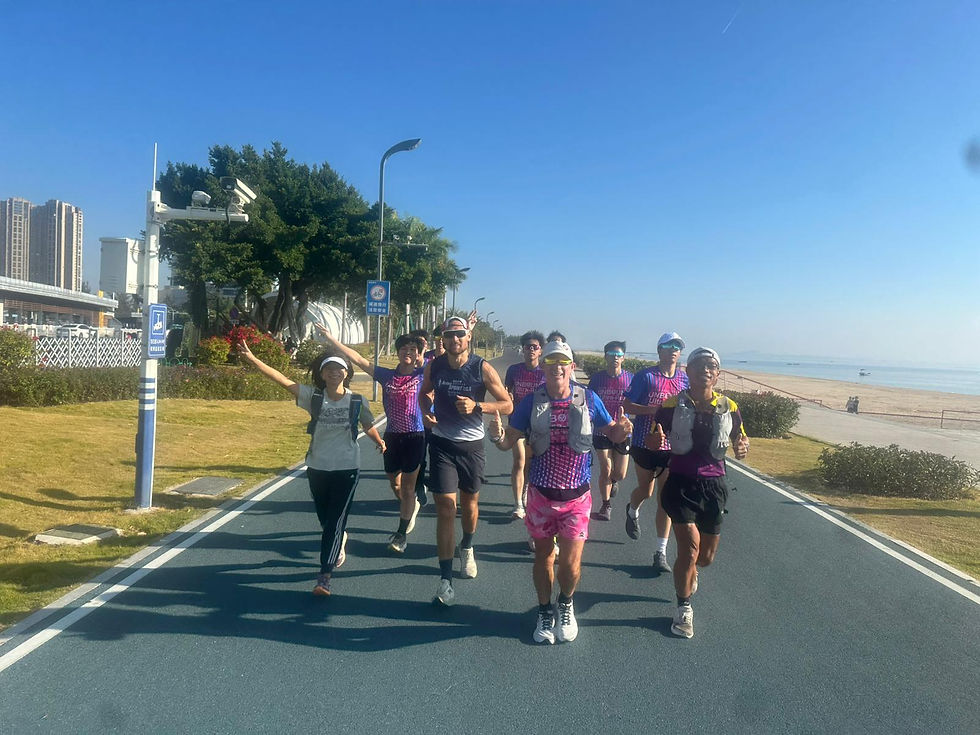
During my run across China, I depended on a small support crew. They weren’t just there to hand me water or food; they were my lifeline. We had to communicate clearly and trust each other completely. When the terrain got tough or weather turned bad, I relied on their updates and encouragement.
In teams, trust and communication work the same way. Without open, honest dialogue, cracks appear quickly. People hesitate to share problems or ask for help, which weakens the group. Building resilient teams means creating an environment where everyone feels safe to speak up and knows their voice matters.
How to build this:
Hold regular check-ins focused on challenges, not just progress.
Encourage active listening and empathy.
Model transparency from leadership down.
Adaptability Comes from Experience and Preparation
Riding as a jockey taught me that no two races are the same. You must read the horse, the track, and your competitors in real time. Preparation is essential, but so is the ability to adjust your strategy on the fly.
Teams face constant change—market shifts, new technology, unexpected setbacks. Resilience grows when teams practice flexibility and learn from each experience. It’s not about avoiding failure but responding quickly and wisely.
Practical steps:
Run simulations or “what-if” scenarios to prepare for surprises.
Celebrate lessons learned from setbacks, not just wins.
Encourage team members to develop diverse skills.

Endurance Requires Shared Purpose and Motivation
Covering 3,140 kilometers on foot was grueling. Pain, fatigue, and doubt crept in daily. What kept me going was a clear purpose and the motivation to finish what I started. My support team shared that vision, and their belief fueled my resolve.
Teams need a shared purpose that goes beyond individual tasks. When everyone understands how their work contributes to a bigger goal, they push through challenges together. Motivation also comes from recognizing effort and progress, not just outcomes.
Ways to foster this:
Define and communicate a clear mission that resonates with the team.
Set milestones to celebrate along the way.
Recognize individual and group contributions regularly.
Building Resilient Teams Means Leading by Example
In both running and racing, leadership isn’t about giving orders from the sidelines. It’s about showing up, pushing limits, and staying calm under pressure. When I faced exhaustion or setbacks, my team saw how I handled it. That example set the tone for how we all responded.
Leaders who demonstrate resilience inspire their teams to do the same. It’s about being present, admitting mistakes, and maintaining focus on the goal. This builds confidence and encourages others to step up.
Leadership tips:
Share your challenges and how you overcome them.
Stay consistent in your actions and words.
Support your team emotionally and practically.
Small Steps Add Up to Big Results
Both my run and jockey days taught me that resilience is built one step at a time. You don’t become strong overnight. It’s the daily habits, small wins, and steady progress that create lasting strength.
In teams, focus on incremental improvements. Encourage learning, adaptability, and mutual support every day. Over time, these small actions build a culture that can handle anything.
Building resilient teams requires more than policies or pep talks. It demands trust, adaptability, shared purpose, strong leadership, and patience. My journey across China and time as a jockey showed me that resilience is earned through experience and connection.


Comments